

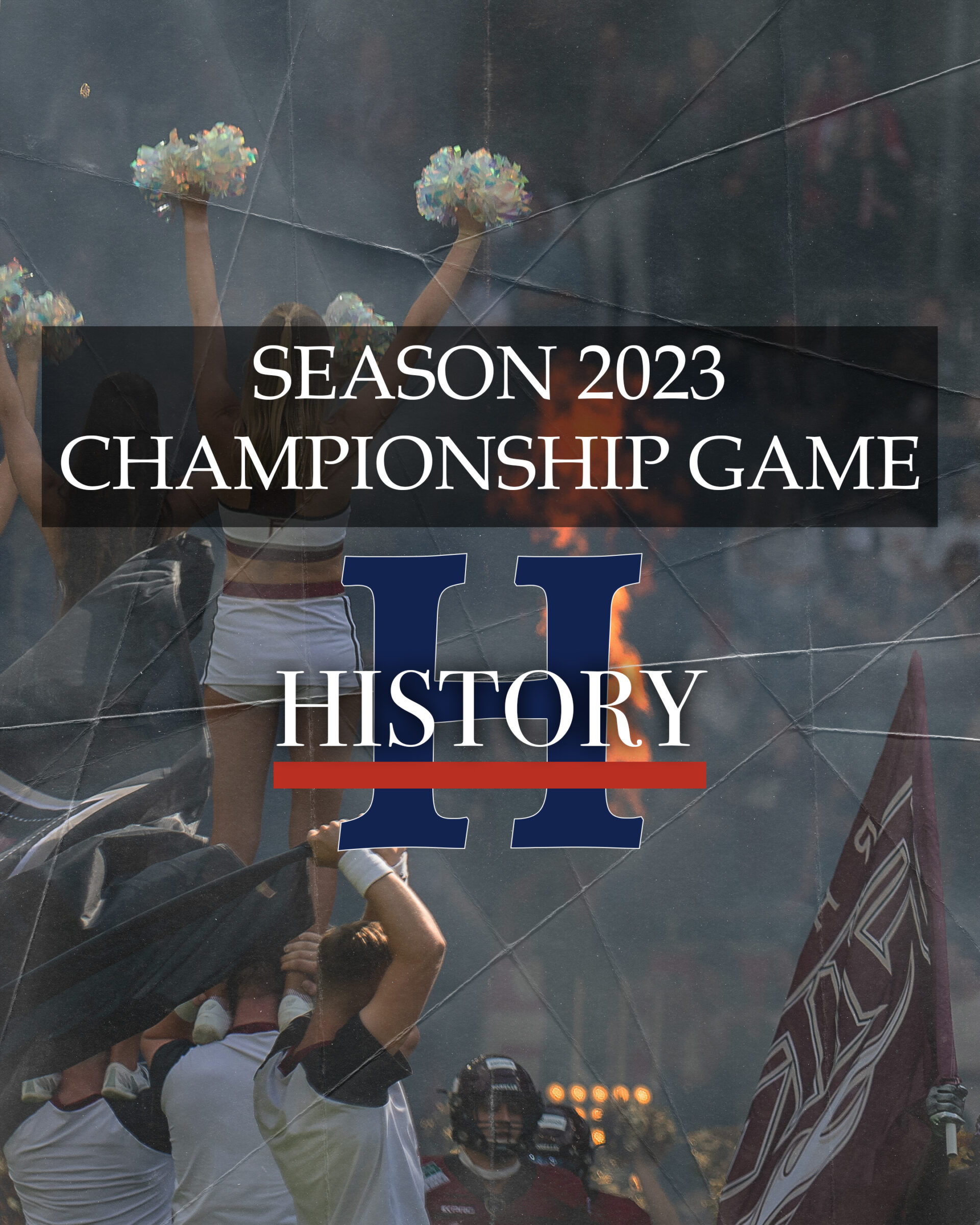
September 24, 2023 — Duisburg, Germany.
The Schauinsland-Reisen-Arena glowed under the late-summer sun, packed with fans, smoke, and optimism that felt almost forced.
The Rhein Fire were about to face the Stuttgart Surge in the European League of Football Championship Game, and everything looked perfect.
But just beneath the surface, everyone knew — the league wasn’t as healthy as it looked.
The Game That Had to Shine
On paper, it was a dream matchup: Germany’s two strongest franchises, sold-out stands, slick production, American commentators, and fireworks to match.
It was supposed to be the ELF’s coming-of-age moment.
But off the field, the season had left scars.
The Leipzig Kings had collapsed mid-season — operations suspended, players left unpaid, equipment locked in storage.
The league called it an “isolated incident.”
Everyone else knew it wasn’t.
Behind closed doors, multiple franchises whispered the same thing: money wasn’t flowing.
League payouts were late or missing, sponsors were tightening, and the promised “shared revenue model” was beginning to look like a myth.
It didn’t matter tonight, though — not yet.
Because under the lights of Duisburg, the show had to go on.
Rhein Fire Ignites a Dynasty
When the whistle blew, the noise hit like thunder.
Rhein Fire, reborn and relentless, came out swinging.
Quarterback Jadrian Clark carved through Stuttgart’s defense with surgical precision, and by halftime, it was clear: this was Fire’s night.
The Surge fought bravely — a team that had once been the league’s punchline now stood on the biggest stage.
But destiny was wearing red and gold.
Final score: Rhein Fire 53 – 34 Stuttgart Surge.
A fireworks finish for a team that had been built to dominate.
The crowd went wild.
The ELF had its poster team, its juggernaut, its proof that something still worked.
The Party Behind the Curtain
But as confetti rained over Duisburg, the questions wouldn’t go away.
How many other Leipzigs were out there, just waiting to break?
Players across the league were already talking — about unpaid bonuses, delayed reimbursements, and vanishing “league shares.”
Some insiders claimed that only a few franchises were actually profitable, while others were quietly bleeding cash just to stay on the field.
The league’s leadership called it “growing pains.”
But it felt more like financial frostbite.
Even the new expansion announcement — the Madrid Bravos, Spain’s newest hope — couldn’t fully distract from the reality that the ELF’s foundation was starting to shake.
For every Bravos joining, a Kings was falling.
A League of Contradictions
The ELF was at its most impressive — and its most fragile.
A packed stadium, live TV coverage, roaring fans… and behind it, a system stretched thin.
It was football as theatre — and theatre only works if the lights stay on.
That night in Duisburg, Rhein Fire were crowned champions of Europe, and the ELF got its fairytale ending.
But for those paying attention, it felt more like a bandage over a bruise.
The hits would keep coming — late payments, broken promises, and more teams walking the financial tightrope.
Fire Wins. The League Holds Its Breath.
The ELF had survived another season, louder and shinier than ever — but also more fragile than before.
And while Rhein Fire burned bright at the top, the league’s cracks glowed beneath the surface, ready to spread.
On September 24, 2023, Duisburg witnessed both triumph and warning.
Fire lit up the night — but the smoke was already rising.
